 10901 W. Toller Dr., Suite 100, Littleton, CO 80127
 303-933-2066
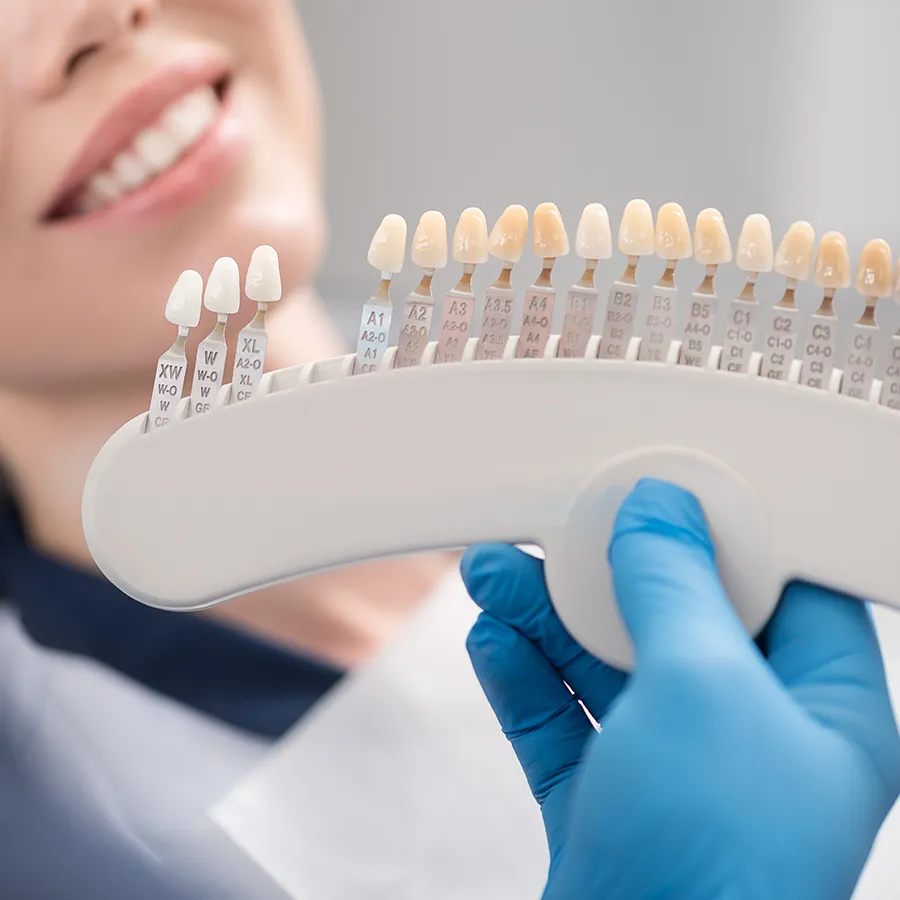
If you’ve been researching ways to refresh your smile, dental veneers have likely come up more than once. They’re one of the most popular cosmetic treatments available — and for good reason. But before committing to any procedure, it’s natural to ask: what are dental veneers made of? Understanding the materials behind veneers helps you weigh your options, set realistic expectations, and have a more informed conversation with your dentist.
At Oasis Studio Carreon Dental & Aesthetics in Littleton, CO, patients regularly come in with exactly this question. This guide walks you through the most common veneer materials, what makes each one unique, and how to start thinking about which might be right for your smile goals.
The Basics: What Is a Dental Veneer?
A dental veneer is a thin shell bonded to the front surface of a tooth to improve its appearance. Veneers can address a wide range of cosmetic concerns — from discoloration and chips to gaps and minor misalignment. The material a veneer is made from affects everything: how it looks, how long it lasts, how much tooth preparation is required, and how it holds up over time. Our dental veneers service page offers a helpful overview of what the full treatment process looks like.
Porcelain Veneers: The Gold Standard
Porcelain is by far the most widely used veneer material, and it’s easy to understand why. Dental porcelain closely mimics the way natural tooth enamel reflects light, giving veneers a lifelike translucency that’s difficult to achieve with other materials. Porcelain veneers are custom-fabricated in a dental laboratory from precise impressions of your teeth, which means each one is tailored to your unique smile.
Key advantages of porcelain veneers
- Natural appearance: The semi-translucent quality of porcelain blends seamlessly with surrounding teeth.
- Stain resistance: Porcelain’s smooth, glazed surface resists coffee, tea, and other common staining agents better than natural enamel.
- Durability: With proper care, porcelain veneers can last a decade or more.
- Strength: Once bonded, porcelain is surprisingly resilient under normal biting forces.
The primary trade-off is that placing porcelain veneers typically requires removing a small amount of enamel from the tooth’s surface — a permanent change. This is why the decision deserves careful thought and a thorough consultation.
Composite Resin Veneers: A Flexible Alternative
Composite resin veneers are made from the same tooth-colored material used in composite dental fillings. Rather than being fabricated in a lab, composite veneers are most often applied directly to the tooth and sculpted by the dentist chairside — meaning the entire process can sometimes be completed in a single visit.
Key advantages of composite resin veneers
- Lower cost: Composite veneers are generally more affordable than porcelain.
- Less tooth preparation: Many composite veneers require little to no enamel removal.
- Repairability: If a composite veneer chips, it can often be repaired directly without replacing the entire shell.
- Speed: Chairside placement means results can be achieved quickly.
The trade-off with composite resin is longevity and stain resistance. Composite tends to be more porous than porcelain, making it more susceptible to discoloration over time. It also typically has a shorter lifespan. If you’re weighing these two options in more depth, keep an eye out for our upcoming post, Porcelain Veneers vs Composite Veneers: Which Is Right for You?, which explores this comparison in detail.
Minimal-Prep and No-Prep Veneers
You may have heard brand names like Lumineers® mentioned in veneer conversations. These refer to ultra-thin veneer designs — typically made from a specialized form of porcelain — that are engineered to be so slim that little or no enamel removal is needed before placement. They’re not a separate material category so much as a different design philosophy applied to porcelain veneers.
Minimal-prep veneers can be a great option for patients who want to preserve as much natural tooth structure as possible, though they aren’t ideal for every cosmetic concern. Your dentist can help determine whether this approach suits your specific situation.
How Veneer Material Affects Your Overall Smile Plan
Choosing a veneer material doesn’t happen in isolation. It’s part of a broader conversation about your smile goals, oral health, and budget. For instance, if you’re also considering teeth whitening treatments alongside veneers, your dentist will want to time these carefully — veneers won’t respond to whitening agents the way natural enamel does, so shade selection matters from the start.
Similarly, if alignment is a concern, options like Invisalign® clear aligners or other orthodontic treatments might be recommended before or instead of veneers, depending on the degree of correction needed. A comprehensive cosmetic consultation helps map out the smartest sequence of care for your unique smile.
You can explore the full range of smile-enhancing options available at our practice through our cosmetic dentistry services in Littleton, CO.
What to Think About Before Choosing a Veneer Material
- Your aesthetic goals: Do you want subtle refinement or a more dramatic transformation?
- Your budget: Porcelain veneers involve higher upfront costs; composite may offer a more accessible entry point.
- How many teeth you want treated: A full smile makeover versus one or two teeth can influence material recommendations.
- Your oral health baseline: Healthy gums and teeth are essential before any veneer placement.
- Long-term maintenance: Both materials require good oral hygiene and regular checkups to perform their best.
If you’re wondering whether veneers are the right solution for your specific concerns, our upcoming post 5 Signs You Need Dental Veneers for Your Smile is a great next read. And once you’re ready to move forward, What to Expect During Veneer Placement in Littleton, CO will walk you through the process step by step.
Frequently Asked Questions
Are porcelain veneers stronger than composite veneers?
Porcelain veneers are generally more durable and resistant to staining over time. However, composite veneers have the advantage of being easier to repair if they chip or crack. The best choice depends on your individual needs and goals.
Do dental veneers look natural?
Yes — especially porcelain veneers, which are designed to mimic the light-reflecting properties of natural tooth enamel. A skilled cosmetic dentist will match the shade and shape to complement your surrounding teeth and facial features.
How long do dental veneers last?
Porcelain veneers can last ten years or longer with proper care, including regular dental cleanings and avoiding habits like nail-biting or chewing on hard objects. Composite veneers typically have a shorter lifespan but can be refreshed or repaired more easily.
Will I need to remove enamel for veneers?
Traditional porcelain veneers require a small amount of enamel to be removed so the veneer sits flush with surrounding teeth. Minimal-prep and no-prep options exist for patients who want to preserve more natural tooth structure, though they aren’t suitable for every case.
Can I whiten my veneers if they discolor?
Veneers do not respond to traditional whitening treatments the way natural enamel does. This is why shade selection at the time of placement is so important. If you’re considering whitening, it’s best to do so before your veneers are placed so the final shade can be matched accordingly.
Ready to find out which veneer material is right for your smile? The team at Oasis Studio Carreon Dental & Aesthetics in Littleton, CO would love to help. Call us at 303-933-2066 or contact our office online to schedule your cosmetic consultation. We’ll take the time to understand your goals and help you explore every option available.